

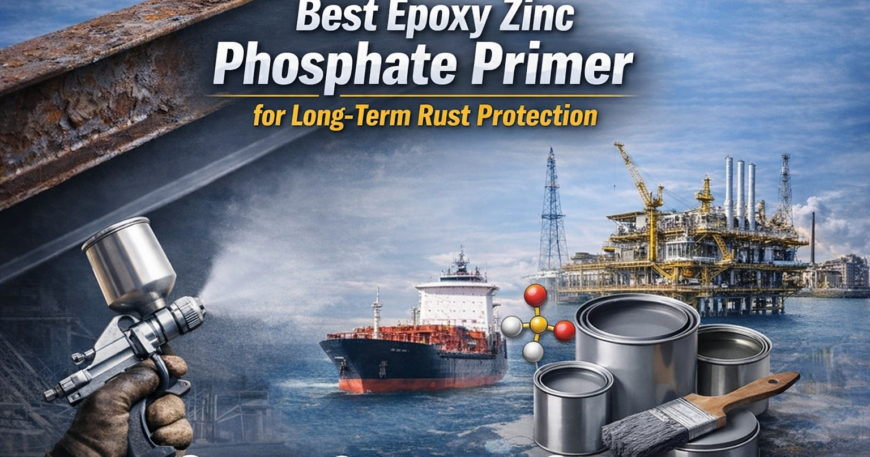
Corrosion is one of the biggest challenges in industries that rely on steel and metal structures. Bridges, machinery, pipelines, marine equipment, and industrial buildings face constant exposure to moisture, chemicals, and harsh environmental conditions. As a result, rust forms quickly and damages metal surfaces. Therefore, choosing the right protective coating becomes essential for durability and safety.
One of the most reliable solutions for corrosion protection is epoxy zinc phosphate primer. This advanced coating technology provides excellent adhesion, strong chemical resistance, and long-lasting protection for metal surfaces. Moreover, industries prefer this primer because it creates a durable base layer that improves the performance of topcoats.
In this comprehensive guide, we will explore how epoxy zinc phosphate primer works, why it is widely used in industrial applications, and how it delivers long-term rust protection. Additionally, we will discuss application methods, benefits, and practical tips to help you select the best primer for your projects.
What Is Epoxy Zinc Phosphate Primer?
Epoxy Zinc Phosphate Primer is a high-performance anti-corrosion coating designed specifically for metal surfaces. It combines epoxy resin with zinc phosphate pigments to create a protective barrier against rust and environmental damage.
Unlike traditional primers, this formulation actively prevents corrosion while improving adhesion between metal and the topcoat. Consequently, the entire coating system becomes stronger and more durable.
Zinc phosphate pigments act as corrosion inhibitors. They protect metal by forming a stable chemical layer that slows down oxidation. At the same time, epoxy resin provides excellent mechanical strength and chemical resistance.
How It Protects Metal Surfaces
Metal surfaces corrode when oxygen and moisture interact with iron. However, a high-quality primer blocks this reaction.
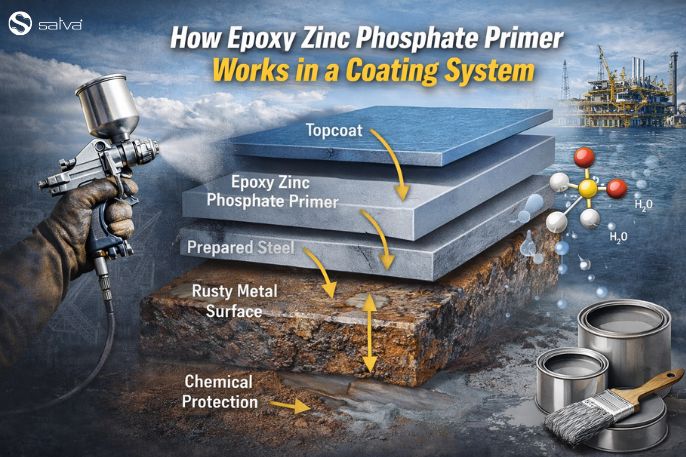
Epoxy Zinc Phosphate Primer protects metal surfaces through three main mechanisms:
- Barrier Protection – The coating creates a strong film that blocks moisture and oxygen.
- Chemical Protection – Zinc phosphate inhibits corrosion reactions on the metal surface.
- Adhesion Strength – Epoxy resin ensures strong bonding between the substrate and the topcoat.
Because of these protective mechanisms, industries use this primer to extend the life of steel structures and equipment.
Key Benefits of Epoxy Zinc Phosphate Primer for Industrial Surfaces
Superior Rust Protection
The primary purpose of epoxy zinc phosphate primer is corrosion prevention. The zinc phosphate pigment acts as a powerful rust inhibitor. Therefore, it significantly reduces the chances of metal oxidation.
In industrial environments where humidity and chemicals are common, this primer provides reliable long-term protection.
Excellent Adhesion to Metal Surfaces
Another major advantage is strong adhesion. The epoxy component bonds tightly with steel, iron, and other metals. As a result, the coating system remains stable even under mechanical stress.
This strong adhesion improves the durability of the entire paint system.
High Chemical Resistance
Industrial surfaces often face exposure to chemicals, oils, and solvents. Fortunately, epoxy primers offer excellent resistance to these substances.
Therefore, they perform well in factories, warehouses, and chemical processing plants.
Long-Lasting Durability
A properly applied zinc phosphate primer can extend the lifespan of metal structures significantly. Because it prevents rust and enhances coating adhesion, maintenance requirements are reduced. Consequently, companies save money on repairs and repainting.
How Epoxy Zinc Phosphate Primer Works in a Coating System
Surface Preparation Importance
Before applying any primer, surface preparation must be done correctly. A clean and properly prepared surface ensures better adhesion and coating performance.
Common preparation methods include:
- Sandblasting
- Mechanical cleaning
- Degreasing
- Removing rust and contaminants
If surface preparation is done correctly, the primer forms a strong bond with the metal.
Primer Application Process
The application process usually involves several steps.
- Surface cleaning and preparation
- Mixing the epoxy primer components
- Applying the primer using spray, brush, or roller
- Allowing proper curing time
- Applying the topcoat
When these steps are followed carefully, the coating system performs effectively for many years.
Role of Topcoats
Although primers provide corrosion protection, topcoats enhance durability and appearance.
Topcoats protect the primer from UV exposure, abrasion, and environmental damage. Therefore, combining a primer with a high-quality topcoat creates a complete protective system.
Industrial Applications of Epoxy Zinc Phosphate Primer
Structural Steel Protection
Large steel structures require strong corrosion protection. For example, bridges, warehouses, and industrial buildings often rely on protective primers.
A zinc phosphate paint primer is widely used in these structures because it provides strong adhesion and reliable rust resistance.
Machinery and Equipment
Industrial machines operate in challenging environments. They experience vibration, moisture, and chemical exposure.
Using a metal primer zinc phosphate coating helps protect machinery surfaces from corrosion and wear.
Automotive and Transportation
Vehicle components and heavy transportation equipment also require strong anti-corrosion coatings. Many manufacturers use zinc phosphate-based primers to improve durability.
These primers ensure long-lasting protection against weather and road chemicals.
Comparing Zinc Phosphate Primer with Other Primers
Zinc Phosphate vs. Red Oxide Primer
Red oxide primers have been used for decades. However, they provide limited corrosion resistance compared to epoxy-based coatings.
In contrast, epoxy zinc phosphate primer offers stronger adhesion, better chemical resistance, and longer durability.
Zinc Phosphate vs. Zinc-Rich Primer
Zinc-rich primers contain higher zinc content and provide cathodic protection. However, they can be expensive and sometimes require specialized application.
Zinc phosphate primers offer a balanced solution with strong corrosion resistance and easier application.
Zinc Phosphate vs. Alkyd Primers
Alkyd primers work well in mild environments. However, they cannot match the chemical resistance and durability of epoxy systems.
Therefore, epoxy zinc phosphate primers are preferred for industrial environments.
Application Tips for Maximum Rust Protection
Ensure Proper Mixing
Epoxy primers usually come in two components. These components must be mixed correctly before application.
Improper mixing can reduce coating performance.
Apply the Correct Thickness
Applying the correct film thickness is important. If the coating is too thin, protection will be insufficient. If it is too thick, drying problems may occur.
Therefore, following manufacturer recommendations ensures optimal performance.
Maintain Ideal Environmental Conditions
Temperature and humidity affect coating performance. For best results, apply the primer under recommended conditions.
This ensures proper curing and strong adhesion.
Use Proper Equipment
Professional application equipment improves coating quality. Spray systems often provide more uniform coverage compared to manual methods.
However, brushes and rollers may be used for smaller projects.
How to Choose the Best Epoxy Zinc Phosphate Primer
Consider the Environment
Different environments require different coating solutions. For example, marine environments demand stronger corrosion protection compared to indoor environments.
Therefore, you should select a primer that matches the exposure conditions.
Check Surface Compatibility
Not all primers work on every surface. Ensure the primer is compatible with the substrate material.
Steel, iron, and metal structures usually work well with zinc phosphate primers.
Evaluate Drying Time
Drying time affects project timelines. Fast-drying primers help reduce downtime in industrial projects.
However, proper curing must still be allowed to ensure durability.
Verify Manufacturer Quality
High-quality coatings come from reliable manufacturers. Therefore, selecting trusted brands ensures consistent performance and durability.
Maintenance and Long-Term Protection
Regular Inspection
Even the best coating systems require occasional inspection. Regular checks help identify early signs of damage or corrosion.
If problems are detected early, repairs can be performed quickly.
Touch-Up Coatings
Minor scratches or damage can expose metal surfaces. Therefore, touch-up coatings should be applied to restore protection.
This simple maintenance step can extend coating life significantly.
Scheduled Recoating
Over time, coatings naturally degrade due to environmental exposure. Scheduled recoating ensures continuous protection for metal structures.
Future Trends in Anti-Corrosion Primers
The coatings industry continues to evolve. Researchers are developing advanced formulations that provide stronger corrosion resistance and longer durability.
New technologies include:
- Nano-enhanced corrosion inhibitors
- Eco-friendly coating formulations
- High-performance epoxy hybrid primers
These innovations will improve metal protection and reduce maintenance costs in the future.
Why Epoxy Zinc Phosphate Primer Is Ideal for Metal Surfaces
Protecting metal surfaces from corrosion is essential for industrial safety and durability. Without proper coatings, rust can damage structures, reduce equipment life, and increase maintenance costs.
Epoxy Zinc Phosphate Primer offers a reliable solution for long-term rust protection. Its advanced formulation combines strong adhesion, chemical resistance, and corrosion inhibition.
Moreover, this primer works effectively in various industries, including construction, marine, manufacturing, and transportation. When applied correctly with proper surface preparation and topcoats, it creates a durable protective system that can last for many years.
Therefore, selecting a high-quality zinc phosphate primer, zinc phosphate paint primer, or metal primer zinc phosphate coating can significantly extend the life of steel structures and equipment.
To solve this problem, high-performance protective coatings are required. Satva Coating, a trusted name in industrial protective paints, offers advanced solutions designed to protect metal surfaces from corrosion and environmental damage.
Investing in the right primer today helps prevent costly corrosion problems tomorrow.