

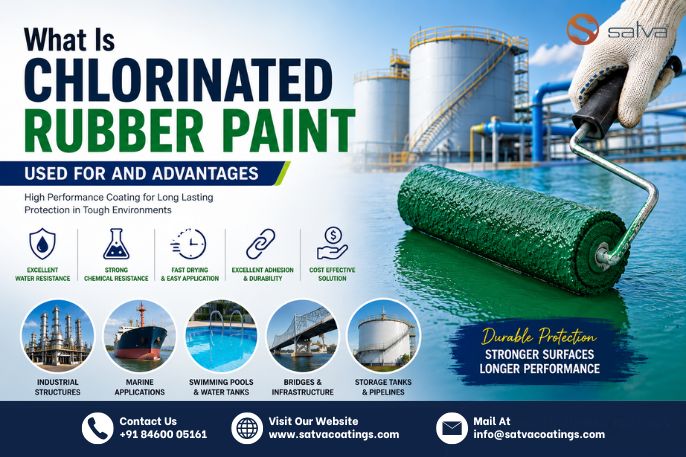
Chlorinated rubber paint has become a reliable solution in modern industrial and commercial coating systems. Because industries demand durable, chemical-resistant, and weatherproof finishes, this type of coating continues to gain popularity. It offers strong adhesion, excellent resistance to moisture, and long-lasting performance in challenging environments.
In today’s competitive market, selecting the right coating system is essential. Therefore, understanding the applications and advantages of chlorinated rubber paint helps businesses make better decisions. Whether you are protecting metal structures, swimming pools, or marine equipment, this coating delivers consistent results.
Moreover, chlorinated rubber coatings are known for their quick-drying properties and ease of application. As a result, they reduce downtime and improve project efficiency. Let’s explore everything in detail so you can understand why this coating stands out.
What Is Chlorinated Rubber Paint?
Chlorinated rubber paint is a solvent-based coating derived from chlorinated natural or synthetic rubber. Manufacturers modify rubber chemically to enhance its resistance to water, chemicals, and weather conditions. Because of this modification, the coating forms a tough and impermeable film.
Additionally, additives such as pigments, stabilizers, and plasticizers improve flexibility and durability. In many cases, high-build chlorinated rubber paint is used where thicker coatings are required for enhanced protection.
Key Uses of Chlorinated Rubber Paint
High Build Chlorinated Rubber Paint is highly versatile. It is widely used across various industries due to its durability and resistance properties.
Industrial Applications
Industries rely heavily on chlorinated rubber coatings for protecting machinery, pipelines, and structural components. Because these environments involve exposure to chemicals and moisture, standard paints often fail. However, this coating performs consistently under such conditions.
Machinery and Equipment Protection
Factories use chlorinated rubber primer to protect heavy machinery. It prevents corrosion and extends equipment life. As a result, maintenance costs decrease significantly.
Storage Tanks and Pipelines
Chemical plants apply chlorinated rubber paint MIO for tanks and pipelines. It provides excellent resistance against aggressive substances. Therefore, leaks and corrosion risks are minimized.
Advantages of Chlorinated Rubber Paint
Now that you understand its uses, let’s explore why this coating is highly preferred.
Excellent Water Resistance
Chlorinated Rubber Coatings forms a waterproof layer. Because of this, it is ideal for wet environments like pools and tanks. Additionally, it prevents water seepage and structural damage.
Strong Chemical Resistance
Industries often deal with aggressive chemicals. However, chlorinated rubber coatings resist acids, alkalis, and salts effectively. Therefore, surfaces remain protected for longer periods.
Fast Drying Time
Time is critical in industrial projects. Fortunately, chlorinated coatings dries quickly. As a result, projects are completed faster and downtime reduces.
Easy Application and Maintenance
This coating is easy to apply using a brush, roller, or spray. Moreover, maintenance is simple. You can recoat surfaces without extensive surface preparation.
High Durability
Durability is one of the biggest advantages. Modified Chlorinated Rubber Paint withstands harsh weather, UV exposure, and mechanical wear. Therefore, it ensures long-term performance.
Cost-Effective Solution
Although initial costs may vary, the long lifespan reduces maintenance expenses. Consequently, it becomes a cost-effective choice over time.
Excellent Adhesion
Modified chlorinated rubber paint improves adhesion on various surfaces. It ensures that the topcoat bonds effectively, resulting in better protection.
Top Applications of Chlorinated Rubber Coating
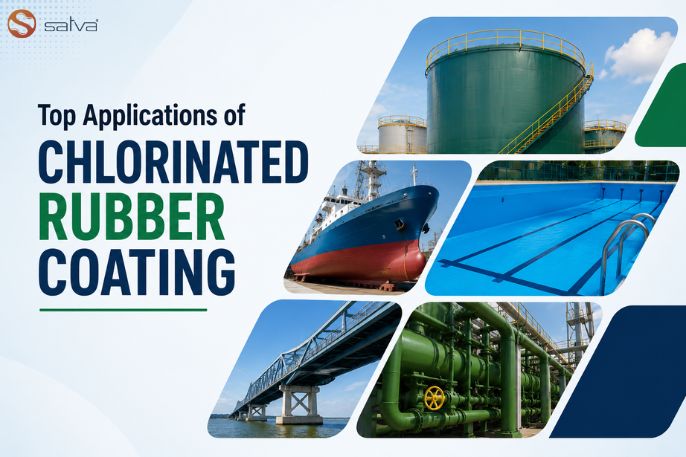
Chlorinated rubber coating is widely used across multiple industries because it offers excellent resistance to water, chemicals, and harsh environmental conditions. As industries continue to demand durable and cost-effective protective solutions, this coating has become a preferred choice. Moreover, its versatility allows it to perform efficiently on different surfaces such as metal, concrete, and masonry.
Industrial Structures and Equipment
Industries rely on chlorinated rubber coatings to protect machinery, pipelines, and storage tanks. Because these environments are often exposed to moisture and chemicals, traditional coatings fail quickly. However, this coating creates a strong protective barrier that prevents corrosion and damage. As a result, equipment lifespan increases and maintenance costs decrease.
Marine and Offshore Areas
Marine environments are highly aggressive due to saltwater and humidity. Therefore, chlorinated coatings are commonly applied on ships, docks, and offshore platforms. They resist salt corrosion effectively and maintain surface integrity over time. In addition, modified chlorinated rubber paints performs exceptionally well in these demanding conditions.
Swimming Pools and Water Facilities
Swimming pools require coatings that can withstand constant water exposure and chemicals like chlorine. Chlorinated rubber provides a smooth, waterproof finish that prevents leakage and surface damage. Consequently, it is widely used for pools, water tanks, and treatment plants.
Bridges and Steel Structures
Steel structures such as bridges and towers require long-term protection against rust. Chlorinated Rubber Primer Red/Grey is often used as a base coat to improve adhesion. After that, high-build chlorinated rubber paint adds an extra layer of durability. This combination ensures strong resistance against weather and corrosion.
Concrete and Flooring Surfaces
Concrete surfaces are prone to cracking and water absorption. However, rubber coatings made from chlorinated rubber protect these surfaces effectively. They seal the surface and prevent moisture penetration. Therefore, they are suitable for warehouses, factories, and parking areas.
Agricultural and Chemical Plants
Agricultural and chemical facilities require coatings that resist fertilizers, acids, and cleaning agents. Chlorinated rubber paint MIO offers excellent chemical resistance and durability. As a result, it helps maintain hygiene and extends the life of surfaces.
Types of Chlorinated Rubber Paint
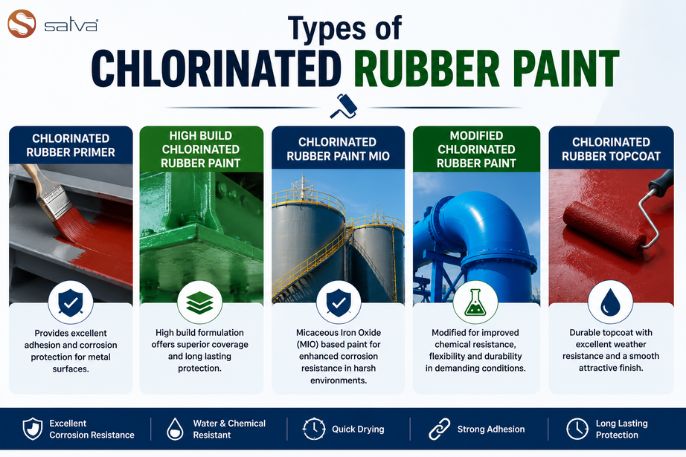
Different applications require different formulations. Let’s explore the main types.
High Build Chlorinated Rubber Paint
This type provides thicker coatings in fewer coats. It is ideal for heavy-duty applications where maximum protection is needed.
Chlorinated Rubber Paint MIO
MIO (Micaceous Iron Oxide) enhances durability and corrosion resistance. Therefore, it is suitable for industrial and marine environments.
Modified Chlorinated Rubber Paint
This version includes additional resins for improved flexibility and performance. It works well in dynamic environments.
Chlorinated Rubber Primer Red/Grey
Primers improve adhesion and provide a strong base. Red and grey variants are commonly used for metal surfaces.
Application Process of Chlorinated Rubber Paint
Proper application ensures maximum performance. Therefore, following the correct process is essential.
Surface Preparation
Clean the surface thoroughly. Remove dust, grease, and rust. Because proper preparation improves adhesion, this step is crucial.
Primer Application
Apply chlorinated rubber primer to create a strong base. It enhances bonding and increases coating life.
Topcoat Application
Apply the paint evenly using appropriate tools. Multiple coats may be required depending on the surface and environment.
Drying and Curing
Allow sufficient drying time between coats. Although it dries quickly, proper curing ensures long-term durability.
Comparison with Other Coatings
Chlorinated Rubber vs. Epoxy Coatings
Epoxy coatings offer high strength, but they require complex application. In contrast, chlorinated rubber paint is easier to apply and maintain.
Chlorinated Rubber vs. Polyurethane Coatings
Polyurethane coatings provide an excellent finish and UV resistance. However, chlorinated rubber coatings are more cost-effective and suitable for wet environments.
Tips for Choosing the Right Chlorinated Rubber Paint
Consider Surface Type
Different surfaces require different formulations. For example, metal surfaces need primers.
Evaluate Environmental Conditions
Marine and industrial environments require specialized coatings.
Check Product Quality
High-quality products provide better results and longer life.
Future Trends in Modified Chlorinated Rubber Paint
The coating industry continues to evolve. Manufacturers are developing eco-friendly and low-VOC formulations. As a result, chlorinated coatings are becoming more sustainable.
Additionally, advanced technologies are improving durability and performance. Therefore, the future looks promising for this coating system.
Why Choose Chlorinated Rubber Paint for Long-Term Protection
Chlorinated rubber paint remains one of the most versatile and reliable coating solutions available today. Because of its water resistance, chemical protection, and durability, it serves a wide range of industries. From swimming pools to industrial machinery, its applications are vast and impactful.
Moreover, its ease of application and cost-effectiveness make it a preferred choice for professionals. When combined with products like Chlorinated Rubber Primer, High Build Chlorinated Rubber Paint, and Chlorinated Rubber Paint MIO, it delivers outstanding performance.
If you are looking for a coating that offers long-term protection and efficiency, chlorinated rubber paint is a smart investment. Therefore, choosing the right formulation and applying it correctly will ensure the best results for your project.
Satva Coating provides high-performance chlorinated rubber paint designed for industrial and commercial use. It offers strong adhesion, excellent chemical resistance, and long-lasting durability for harsh environments. Contact Satva Coating to order reliable coating solutions today.